Drug-resistant organisms continue to challenge healthcare institutions and public health systems. Three recently published bacterial outbreak investigations took place in a hospital ICU, a community service setting, and a large general hospital, involving multidrug-resistant Acinetobacter baumannii (MRAB), methicillin-resistant Staphylococcus aureus (MRSA), and carbapenem-resistant Klebsiella pneumoniae. More importantly, these investigations repeatedly linked transmission to patients' surrounding environments, medical equipment, high-touch surfaces, and infection-control measures.
1. Seoul, South Korea: ICU Outbreak of Multidrug-Resistant Acinetobacter baumannii; Outbreak Strains Detected on Medical Equipment
Time: The outbreak rose sharply in December 2023, and the investigation was published on August 22, 2026.
Location: A 28-bed combined medical-surgical ICU at Soonchunhyang University Seoul Hospital in Yongsan-gu, Seoul, South Korea.[1]
Pathogen: Multidrug-resistant Acinetobacter baumannii (MRAB).
In December 2023, cases of multidrug-resistant Acinetobacter baumannii (MRAB) at the hospital rose suddenly. Researchers then collected environmental samples from patients colonized with MRAB across 27 high-touch surfaces and used whole-genome sequencing to trace the transmission chain.[1]
MRAB was detected on three ventilator circuits and one blood-pressure cuff. Notably, no SNP differences were detected between the environmental isolate from the blood-pressure cuff and the clinical isolate from a subsequent patient, suggesting a direct epidemiological link between environmental contamination and patient transmission.[1]
The hospital subsequently implemented a comprehensive set of measures, including admission screening, weekly surveillance, contact precautions, more frequent cleaning, and terminal disinfection. The MRAB acquisition rate fell from 18.56 per 1,000 patient-days in December 2023 to 0 in February 2025.[1]
The most direct lesson for infection-control professionals is this: medical equipment and high-touch surfaces around patients can form part of a drug-resistant organism's transmission chain.
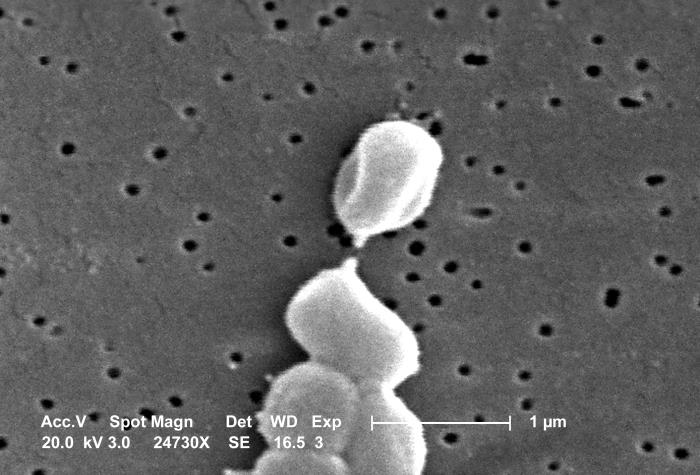
2. Utrecht Region, the Netherlands: Community MRSA Outbreak at a Massage Center Affected 31 People
Time: The outbreak continued from November 2023 to June 2024; the findings were published in April 2026 in the U.S. CDC's Emerging Infectious Diseases.
Location: A massage center in the Utrecht region (Public Health Service Region Utrecht), the Netherlands. For privacy reasons, the paper did not disclose the massage center's name or the specific city where it was located.[2]
Pathogen: PVL-positive methicillin-resistant Staphylococcus aureus (MRSA, Methicillin-resistant Staphylococcus aureus).
In November 2023, the local hospital microbiology laboratory first detected an anomaly: within just three weeks, five patients developed MRSA-positive abscesses requiring surgical drainage. Epidemiological investigation quickly linked the cases to the same massage center.[2]
Ultimately, 31 MRSA cases were confirmed in the outbreak:
More importantly, investigators conducted three rounds of environmental sampling, and MRSA was detected in multiple environmental samples; the study ultimately confirmed viable MRSA on object surfaces at the outbreak source. During the outbreak, the site received comprehensive disinfection by a professional company, while items such as fabric coverings that could not be adequately disinfected were removed.[2]
This incident shows that MRSA is not confined to hospitals. Settings such as massage centers, beauty and personal-care facilities, and rehabilitation centers - where people have close physical contact and share equipment - may also face risks of cross-contamination and transmission.
- 27 developed symptoms;
- 10 were hospitalized;
- 8 underwent surgery for abscesses;
- 1 developed bacteremia.[2]
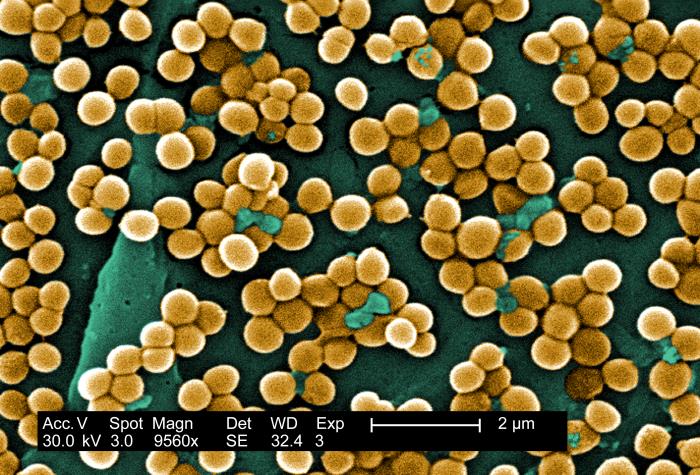
3. Seoul, South Korea: Drug-Resistant Klebsiella pneumoniae Spread to 12 Wards, Causing 38 Hospital-Associated Cases
Time: The outbreak occurred from January to May 2025; the study was published online on June 5, 2026, and appeared in the Journal of Hospital Infection August 2026 issue.[3]
Location: Eunpyeong St. Mary's Hospital in Eunpyeong-gu, Seoul, South Korea. The university-affiliated hospital has 808 beds.[3]
Pathogen: Predominantly OXA-181-producing Klebsiella pneumoniae ST16 (OXA-181-producing Klebsiella pneumoniae ST16).
In February 2025, the hospital's hematology department identified two consecutive cases of OXA-48-like carbapenemase-producing Enterobacterales, after which cases rapidly spread to multiple wards.[3]
During the investigation, 38 hospital-associated cases were identified across 12 wards. Of these:
Whole-genome sequencing further confirmed clonal transmission of OXA-181-producing K. pneumoniae ST16. The study found that transfers of patients between wards further amplified the spread. After intensified surveillance of high-risk patients and other infection-prevention and control measures, the outbreak was brought under control in approximately four months.[3]
This incident once again demonstrates the ability of drug-resistant organisms to spread through large hospitals: once a high-risk pathogen enters a healthcare facility, the complex contact network formed by patients, healthcare workers, equipment, and the environment must all be incorporated into the infection-control system.
- 36 involved Klebsiella pneumoniae (Klebsiella pneumoniae);
- 1 involved both Klebsiella pneumoniae and Escherichia coli;
- 1 involved Escherichia coli;
- 10 hospital-associated cases developed bacteremia.[3]

4. VINNER's Perspective: Infection Control Must Address the "Environment"
The three outbreaks occurred at different times, in different countries and settings, and their transmission mechanisms were not identical. Yet together they make one point clear:
Infection control can never be achieved by a single measure alone.
Patient screening, isolation, hand hygiene, personal protective equipment, medical-equipment management, environmental cleaning, and surface disinfection must together form a complete Infection Prevention and Control (IPC) system. Especially in ICUs, wards, outpatient clinics, and other settings with frequent human contact, high-touch surfaces such as bed rails, blood-pressure cuffs, the exterior surfaces of medical equipment, worktops, and door handles repeatedly experience a "hand-surface-equipment-patient" chain of contact.
In the Korean MRAB outbreak, the environmental isolate from a blood-pressure cuff was highly consistent with the patient's clinical isolate; in the Dutch MRSA outbreak, viable MRSA was directly detected on environmental surfaces at the outbreak source.[1][2] This evidence reminds us: environmental surface disinfection is not all of infection control, but it is an indispensable part of it.
For professional disinfectant products, the most important point is: whether the product has undergone standardized testing, which microorganisms it covers, and whether its performance under its stated contact time and actual wiping conditions has been validated.
5. VINNER Infection-Control Product Development
VINNER is developing two professional wipe products for healthcare and infection-control settings. Contact us to discuss development specifications and project requirements.
The Acinetobacter baumannii (Acinetobacter baumannii), MRSA (Methicillin-resistant Staphylococcus aureus), and Klebsiella pneumoniae (Klebsiella pneumoniae) mentioned in this article's news reports have all passed EU EN standard bactericidal efficacy testing on the corresponding VINNER products.[4]
1. VINNERLOVE Surface Disinfectant Wipes (VLSDW) - VINNER Alcohol-Free Medical-Grade Surface Disinfectant Wipes
VINNERLOVE Surface Disinfectant Wipes is an alcohol-free surface disinfectant wipe currently under development, designed for healthcare facilities and other professional infection-control settings.
The product has been tested for bactericidal activity by a third-party laboratory in accordance with BS EN 13727:2012+A2:2015. EN 13727 is the European standard for the quantitative suspension test (Phase 2, Step 1) used to evaluate the bactericidal activity of chemical disinfectants and antiseptics in the medical field. Testing was conducted using the undiluted liquid expressed from the product wipes at 20°C, with a criterion of a ≥5 log (99.999%) reduction in bacterial count.[4] The report covered 12 test strains/resistant-strain items, including Acinetobacter baumannii, Escherichia coli, Klebsiella pneumoniae, Pseudomonas aeruginosa, Enterococcus hirae, Staphylococcus aureus, Enterococcus faecium, and resistant strains such as MRSA and VRE.[4]
Clean Condition | 30 seconds
The following strains all met EN 13727 requirements and passed:
- Escherichia coli (ATCC 10536)
- Staphylococcus aureus (ATCC 6538)
- Pseudomonas aeruginosa (ATCC 15442)
- Klebsiella pneumoniae (ATCC 4352)
- Enterococcus hirae (ATCC 10541)
- Acinetobacter baumannii (CICC 10254)
- Enterococcus faecium (CICC 21605)
Clean Condition | 1 minute
The following resistant strains all met the requirements and were rated as passing:
- Methicillin-resistant Staphylococcus aureus (MRSA, ATCC 33591)
- Vancomycin-resistant Enterococcus faecalis (VRE, ATCC 51299)
Clean Condition | 2 minutes
For three additional strains of major clinical significance, the product likewise met the requirements and was rated PASS:
- Methicillin-resistant Staphylococcus aureus (MRSA, Staphylococcus aureus ATCC 43300)
- Pseudomonas aeruginosa (ATCC BAA-2108)
- Klebsiella pneumoniae (ATCC BAA-1902)
Dirty Condition | 1 minute
Under the more stringent dirty conditions - with 3.0 g/L bovine albumin + 3.0 mL/L sheep erythrocytes added as interfering substances - the following six strains all met EN 13727's ≥5 log bactericidal requirement and were rated PASS:
*For healthcare and professional environments, the dirty-condition test is particularly informative because surfaces in actual use may contain proteins, residual body fluids, or other organic matter, and these interfering substances may affect the disinfectant's real-world bactericidal performance.[4]
Based on the strains tested for bactericidal efficacy with VLSDW as described above, the coverage included the Seoul outbreak-associated Acinetobacter baumannii and Klebsiella pneumoniae as well as the Dutch outbreak-associated methicillin-resistant Staphylococcus aureus (MRSA). At the same time, for Klebsiella pneumoniae, two different strains (ATCC 4352 and ATCC BAA-1902) were tested separately under Clean and Dirty Conditions; for MRSA, two different strains (ATCC 33591 and ATCC 43300) were likewise tested separately under Clean Conditions.
- Escherichia coli (ATCC 10536)
- Staphylococcus aureus (ATCC 6538)
- Pseudomonas aeruginosa (ATCC 15442)
- Klebsiella pneumoniae (ATCC 4352)
- Enterococcus hirae (ATCC 10541)
- Acinetobacter baumannii (CICC 10254)
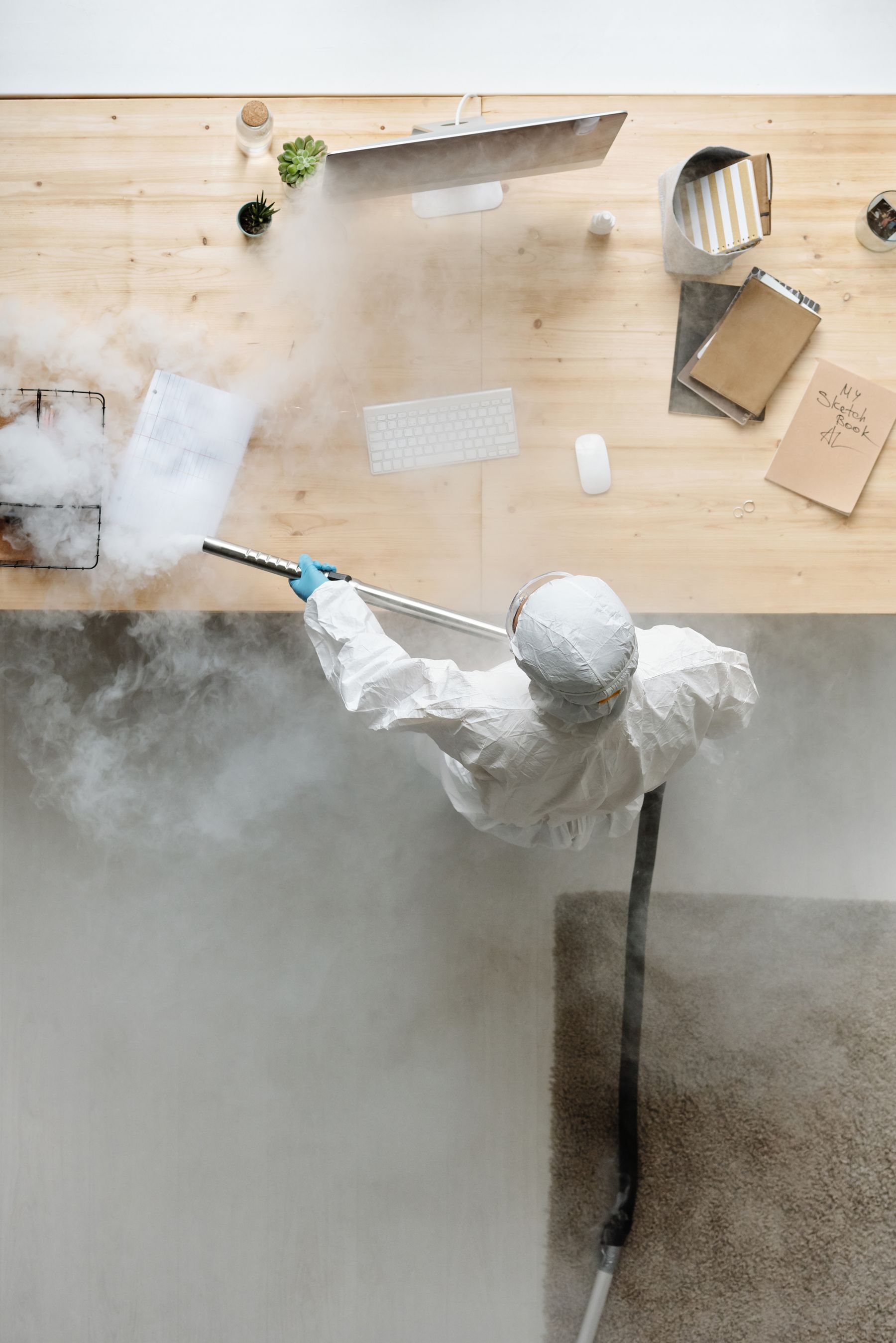
2. VINNERLOVE Alcohol Disinfectant Wipes (VLADW) - VINNER Medical-Grade Isopropyl Alcohol Surface Disinfectant Wipes
VINNERLOVE Alcohol Disinfectant Wipes is an alcohol-based surface disinfectant wipe under development, intended for rapid, ready-to-use surface disinfection in healthcare facilities and professional environments.
The product was likewise tested for bactericidal activity in the medical field by a third-party laboratory with reference to BS EN 13727:2012+A2:2015 (Phase 2, Step 1). All EN 13727 testing for VLADW was conducted under **Dirty Condition**, with 3.0 g/L bovine albumin + 3.0 mL/L sheep erythrocytes as interfering substances, at 20°C, using the undiluted expressed liquid from the product wipes, with contact times of 1 and 2 minutes.[5]
Dirty Condition | 1 minute
The following seven strains/resistant-strain items all met EN 13727's required bacterial reduction of ≥5 log (99.999%) and passed:
- Staphylococcus aureus (ATCC 6538)
- Pseudomonas aeruginosa (ATCC 15442)
- Enterococcus hirae (ATCC 10541)
- Methicillin-resistant Staphylococcus aureus (MRSA, ATCC 33591)
- Acinetobacter baumannii (CICC 10254)
Dirty Condition | 2 minutes
Salmonella Typhimurium (ATCC 14028)
Based on the strains tested for bactericidal efficacy with VLADW as described above, the coverage included the Seoul outbreak-associated Acinetobacter baumannii and the Dutch outbreak-associated methicillin-resistant Staphylococcus aureus (MRSA).
- Escherichia coli K12 (NCTC 10538)
6. What the Test Data Show About VINNER Health's Two Products
Both products covered multiple important pathogens associated with healthcare-related infections and environmental contamination in this EN 13727 testing. In particular, the pathogens involved in the outbreaks discussed above include:
All of these were included in the EN 13727 testing scope for the relevant VINNER products and achieved passing results. VLSDW covers all three; VLADW covers Acinetobacter baumannii and MRSA.[4][5]
- Acinetobacter baumannii (Acinetobacter baumannii)
- Methicillin-resistant Staphylococcus aureus (MRSA)
- Klebsiella pneumoniae (Klebsiella pneumoniae)
Product Development Note
VINNERLOVE Surface Disinfectant Wipes (VLSDW) and VINNERLOVE Alcohol Disinfectant Wipes (VLADW) are currently in development. Contact VINNER for specifications and project updates.
News Items Covered in This Article
- Acinetobacter baumannii
- Methicillin-resistant Staphylococcus aureus
- Klebsiella pneumoniae
All have been included in the European EN standard efficacy testing scope for the corresponding VINNER products and achieved passing results.
It is important to note that the MRAB, PVL-positive MRSA, OXA-181-producing Klebsiella pneumoniae ST16, and similar terms in the news events refer to specific resistance phenotypes, strains, or outbreak clones. VINNER's product efficacy data correspond only to the test microorganisms, test conditions, and contact times in the actual test reports; they do not mean that the products have been tested against the specific outbreak strains involved in the news events.
References and Data Sources
- [1] Jung J, Kim J, Park H, et al. Genomic epidemiological investigation and effectiveness of multidisciplinary interventions in a multidrug-resistant Acinetobacter baumannii outbreak in a university hospital intensive care unit: A retrospective study. Antimicrobial Resistance & Infection Control. Published August 22, 2026. DOI: 10.1186/s13756-026-01805-9.
- [2] van Schelven P, Nijhuis R, Jamin C, et al. Panton-Valentine Leukocidin–Encoding Methicillin-Resistant Staphylococcus aureus, the Netherlands, 2023–2024. Emerging Infectious Diseases. 2026;32(4):640–643. DOI: 10.3201/eid3204.251646. U.S. Centers for Disease Control and Prevention (CDC).
- [3] Jo S, Park SH, Kim JO, et al. Hospital-wide outbreak of OXA-181-producing Klebsiella pneumoniae ST16 in Korea: an epidemiological and genomic investigation. Journal of Hospital Infection. 2026;174:312–323. DOI: 10.1016/j.jhin.2026.05.046.
- [4] Vinner (Shenzhen) Health Products Limited. EN Testing for VINNER Products. Internal efficacy testing, 2026.