The U.S. healthcare and elderly-care market is accelerating its adoption of rinse-free bathing products. This article examines the market potential and practical value of rinse-free care through four lenses: infection control, procurement demand, compliance, and human dignity.
1. Healthcare Systems—A Critical Tool for Healthcare-Associated Infection Control Driven by Essential Demand
Against the backdrop of accelerating population aging and increasingly stringent standards for healthcare-associated infection (HAI) control, the U.S. healthcare and elderly-care market is undergoing a transformation in basic-care practices. The traditional "basin + towel" bathing method, with its high risk of cross-contamination, lengthy care time, and poor patient experience, is rapidly being replaced by professional, standardized Rinse-Free Bathing Products. This is not merely an upgrade in care efficiency; it also represents the rise of a blue-ocean market worth tens of billions of dollars.
The United States has an extensive network of hospitals and long-term care facilities, and medical-grade wipes are core consumables for maintaining its hygiene standards. The latest industry reports show that the global healthcare wipes market was valued at US$18.05 billion in 2024 and is expected to reach US$27.7 billion by 2030 at a compound annual growth rate (CAGR) of 7.7%. North America holds the largest share at 35.5%, with the United States serving as the clear market leader thanks to its mature healthcare system.
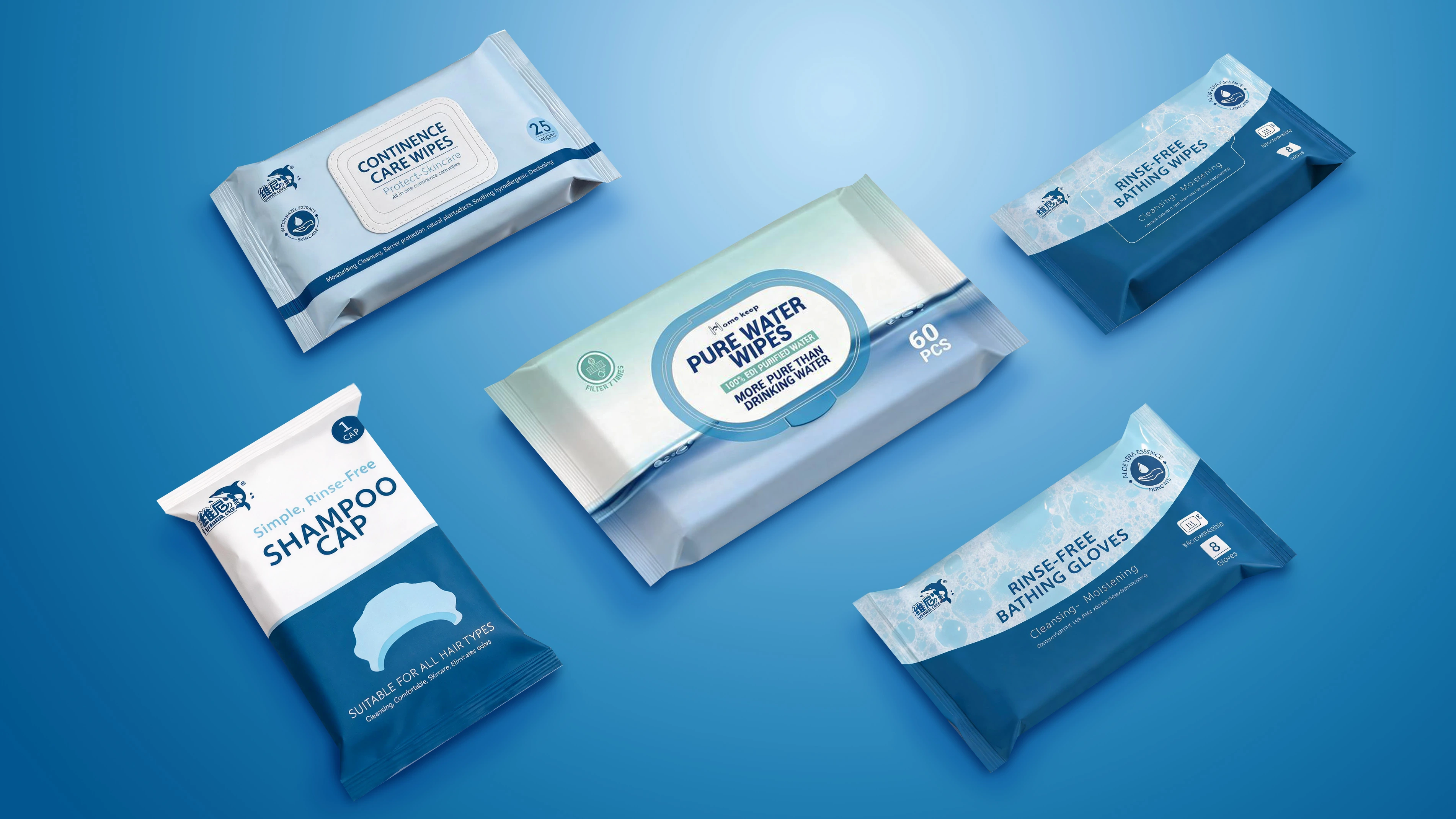
Issues such as surgical-site infections (SSI) and catheter-associated urinary tract infections (CAUTI) have prompted U.S. hospitals to adopt standardized bathing protocols on a large scale. In addition, ICU nurses spend considerable time on traditional bedside bathing. Authoritative clinical research shows that a pre-moistened, microwaveable disposable no-rinse wipe protocol is significantly better than traditional methods in shortening procedure time, reducing nursing workload, and improving cost-effectiveness. Against this backdrop, the "eight-piece full-body bathing care solution" consisting of VINNERLOVE Rinse-Free Bathing Wipes (VLBBW8) and Rinse-Free Bathing Gloves (VLBBG8) fits perfectly with the operating protocols of the U.S. healthcare system. The eight pieces in each pack correspond to eight different body areas. Combined with 100 GSM ultra-thick nonwoven fabric and a microwaveable design, the solution not only prevents cross-contamination but also provides safe, warm, standardized bedside cleansing for ICU and postoperative patients.
2. What Nationwide U.S. Hospital Tender Data Reveal About the True Explosive Power of "Rinse-Free Cleaning"
To truly understand the depth of this blue ocean, we must turn to actual solicitation (RFP/Bid) data from U.S. state governments, the Department of Veterans Affairs (VA), and major public healthcare systems. The real numbers in tender documents most directly reflect the routine consumption of hospital systems.
West Virginia Veterans Nursing Facility (WV VNF) Tender Analysis
According to the official solicitation issued by the West Virginia Purchasing Division in April 2026 (Solicitation Number: CRFQ 0613 VNF2600000006), the annual consumables tender for a single veterans nursing facility in the state alone explicitly lists substantial demand for basic-care supplies: the annual demand for Shampoo Caps reaches 46,200 boxes. At the same time, the procurement volume for large incontinence-care wipes and related consumables reached the level of tens of thousands of cases.
Just imagine: a single facility in one state has a routine annual demand for nearly 50,000 boxes of shampoo caps. Scaled to more than 150 VA medical centers nationwide and over 15,000 registered nursing homes, the overall volume is staggering. This aligns perfectly with the product positioning of VINNERLOVE Rinse-Free Shampoo and Bath Caps (VLSHMC1). Its 85 GSM ultra-thick multilayer nonwoven material and microwaveable design can fully meet—and even exceed—the specifications of high-standard government tenders of this kind.
In addition, in the federal government's public procurement system (SAM.gov), hospital solicitations commonly state that products must use a no-rinse formula and contain skin-barrier ingredients to address moisture-associated skin damage (MASD) related to incontinence. Large healthcare group purchasing organizations (GPOs) such as Cardinal Health and Premier go further by requiring dimethicone in rinse-free products. VINNERLOVE Continence Care Wipes (VLCONCW25) use a formulation combining 4% dimethicone and 6% liquid paraffin, completing cleansing, moisturizing, soothing, and barrier protection in one step and precisely matching the procurement-access standards of top North American hospitals.
3. The FDA Cosmetic-Grade Compliance Moat and the Ultimate Rinse-Free Care Experience
The reason rinse-free bathing products can rapidly replace traditional basin bathing in U.S. hospital systems and personal-care markets lies in their unprecedented convenience and their promise of safety under the strict regulatory framework of the U.S. Food and Drug Administration (FDA).
In the U.S. market, compliance is the foundation of productivity. Under Section 201(i) of the U.S. Federal Food, Drug, and Cosmetic Act (FD&C Act), an article intended for use in "cleansing" the human body falls within the category of cosmetics. Therefore, rinse-free bathing wipes are subject to strict FDA cosmetic-grade oversight in the United States. The Modernization of Cosmetics Regulation Act of 2022 (MoCRA), signed in 2022, further requires companies to establish standardized Good Manufacturing Practices (GMP).
Facing extremely high market-entry barriers, Vinner Health (VINNER) has built a comprehensive moat of technical documentation and certifications. The factory not only holds FDA Cosmetic GMP and ISO 13485 medical-device quality management system certifications, but also has complete physicochemical and microbiological testing capabilities, ensuring no risk from pathogens such as Staphylococcus aureus and Pseudomonas aeruginosa. For sensitive-skin safety, VINNERLOVE products strictly follow one of the cosmetics industry's highest safety standards, the Human Repeat Insult Patch Test (HRIPT), giving the claim "dermatologist tested" solid clinical data support.
4. Defending Human Dignity with "Rinse-Free Care" in an Era of Scarce Resources
When we step beyond cold commercial data, compliance clauses, and production-capacity reports and re-examine the underlying logic behind the explosive growth of rinse-free care products in the U.S. market, we find a deeper social value. The United States is fully entering the "Silver Tsunami" era, and its healthcare system faces unprecedented nursing shortages and caregiving pressure. The introduction of rinse-free bathing products can reduce the time required for a single basic-care session by as much as 60%. This minimalist, efficient process allows healthcare workers to step away from burdensome physical labor and reinvest their precious time in core clinical treatment.
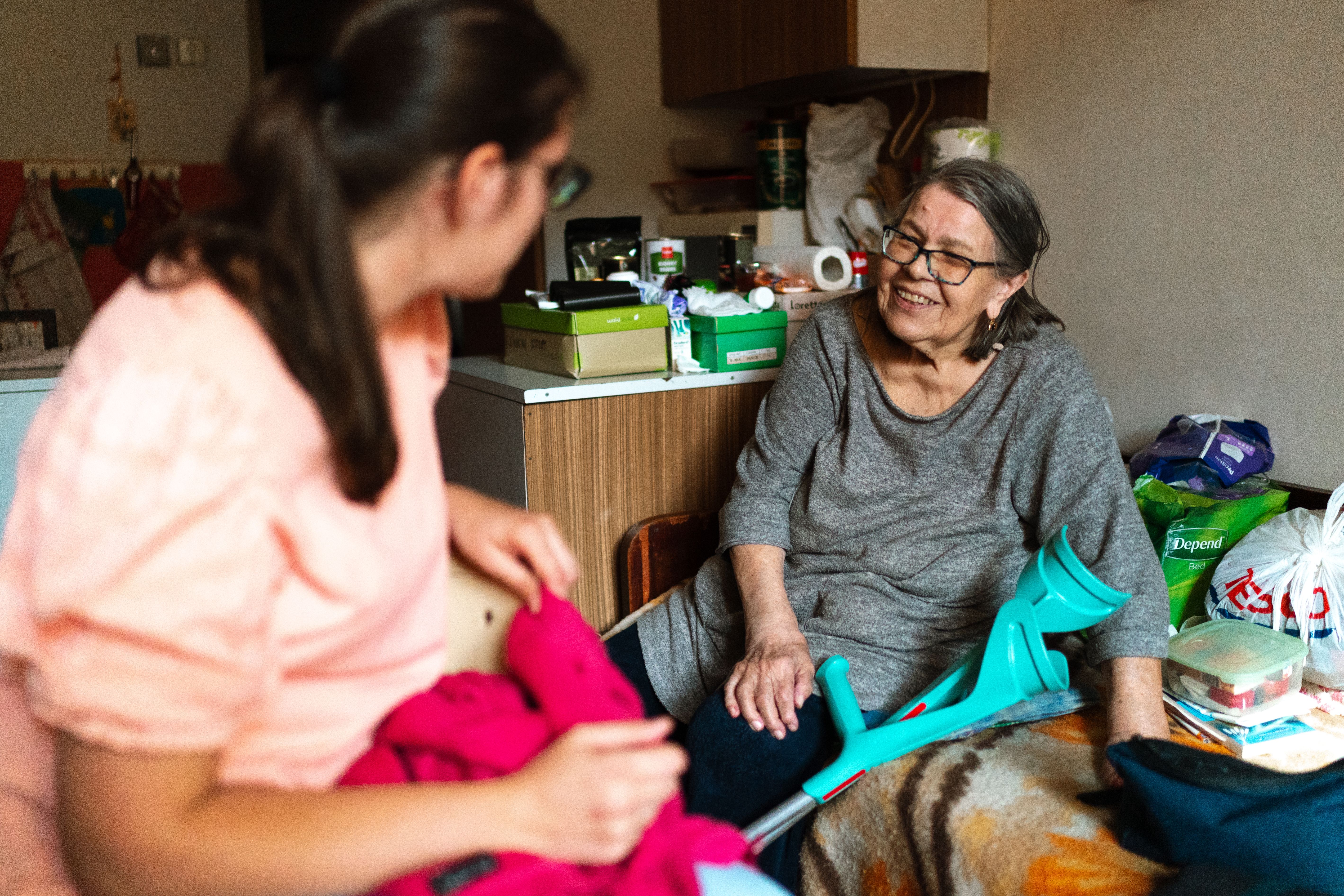
The essence of healthcare is not only healing, but also caring. For older adults confined to bed or critically ill ICU patients, traditional sponge bathing often entails risks of privacy exposure and chilling, invisibly consuming patients' dignity. Microwaveable VINNERLOVE Rinse-Free Bathing Wipes and Rinse-Free Shampoo and Bath Caps replace the cold basin with just the right temperature and a gentle feel, preserving the most basic and precious dignity of vulnerable people in adversity. The rinse-free series is not merely a convenient cleaning technology; amid increasingly strained healthcare resources, it is humanity's gentle resistance in protecting the dignity of life.
The highest form of business is technology for good. When a product perfectly meets the threefold needs of healthcare cost control, infection control, and human-centered care, its growth becomes an irreversible historical trend. With more than 20 years of R&D expertise, large-scale automated production capacity, and globally leading compliance standards (including the SMETA 4-Pillar audit and GSV Global Security Verification), Vinner Health is ready to provide healthcare and elderly-care institutions worldwide with safe, professional, and humane cleaning and care solutions.
References
- [1] Grand View Research. (2024). Healthcare Wipes Market Size, Share & Trends Analysis Report 2025-2030.
- [2] Eigsti, J. E. (2011). Innovative solutions: beds, baths, and bottoms: a quality improvement initiative to standardize use of beds, bathing techniques, and skin care in a general intensive-care unit. Dimensions of Critical Care Nursing.
- [3] Vinner (Shenzhen) Health Products Limited (2026). VINNER Proprietary Brand Product Manual V3.0 (VINNER LOVE Product Brochure).
- [4] West Virginia Purchasing Division. (April 2026). Solicitation Number: CRFQ 0613 VNF2600000006 - WV VETERANS NURSING FACILITY.
- [5] U.S. System for Award Management (SAM.gov). (2026). Active Solicitations: Bathing system Single use, no rinse wipes.
- [6] Cardinal Health. (2025). Advanced Skin and Wound Management Purchasing Guidelines - Incontinence & Bathing.
- [7] U.S. Food and Drug Administration (FDA). Federal Food, Drug, and Cosmetic Act (FD&C Act), Section 201 (i).
- [8] U.S. Congress. (2022). Modernization of Cosmetics Regulation Act of 2022 (MOCRA).
- [9] CPT Labs. (2024). The Importance Of HRIPT In Cosmetics Safety Testing & Dermatological Claims.
- [10] Care England. (2026). Improving dignity and efficiency in personal care: reflections from a waterless care trial.